If you’ve spent much time in Rochester, you might be familiar with Mayo Clinic’s principal value: “The needs of the patient come first.” One of the reasons why Destination Medical Center was created is to ensure that the patient experience is positive, both inside and outside the walls of the clinic. But the individuals that make up the Mayo Clinic workforce – and put the patient needs ahead of their own – are what sets Rochester apart from other medical communities. But this week, Mayo Clinic was recognized for putting the needs of its employees high as well.
Take care of your employees and they’ll take care of you.
 Every year, Fortune magazine publishes a list of the “100 Best Companies to Work For,” and for the 14th year in a row, Mayo Clinic has made the list. The rankings are based on the results of the Great Place to Work Institute’s employee trust survey, which evaluates companies on five factors: credibility, respect, fairness, pride, and camaraderie.
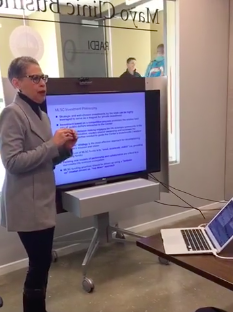 Windham-Bannister joined more than 35 stakeholders from across the state to share her experiences and provide insight on how our own community should go about setting priorities to ensure DMC’s success.
 The high school kids in Aaron Davis’ construction tech class are busy helping build a two-bedroom, two-bathroom house that’s likely to be snapped up quickly in the Rochester area’s fast moving real estate market.
 “. . . From a world-class education comes an unparalleled workforce ready to innovate in Minnesota’s growing economy. Minnesota Lt. Gov. Tina Smith has been at the forefront of our innovation economy as chair of the board of the Destination Medical Center Corp., an ambitious public-private partnership to grow Mayo Clinic and the city of Rochester into America’s City for Health. Smith and I have also worked closely with the University of Minnesota Medical School to ensure that our world-class medical facilities and technology companies have access to the best-trained medical workforce in our nation. Together these efforts will help ensure growth and opportunity for health care, businesses and residents for decades to come.”
 Rochester, and others want to make sure businesses owned by minorities, women, and veterans have access to that work.
 he resume of Rochester-based entrepreneur