Tag: Mayo Clinic

Mayo Clinic’s recently awarded grant complements Discovery Square

The Mayo Clinic has been awarded $142 million in funding from the National Institutes of Health to create a research repository of biologic samples to advance precision medicine.

The grant complements the Destination Medical Center’s efforts to position Rochester – and specifically Discovery Square – as an international hub for medical innovation.

Discovery Square is the economic engine for DMC. It represents the future of biomedicine, research, and technology innovation and is anticipated to be one of the largest drivers of job growth in Rochester,” says Lisa Clarke, executive director of the DMC Economic Development Agency.

Mayo NIH
Photo credit: Mayo Clinic

KROC: Rochester Launches FIRST Ever Hospitality Accreditation Program

Rochester is taking “Minnesota Nice” to a whole new level to enhance visitor’s stay in our city.
The Rochester Convention & Visitors Bureau, Mayo Clinic, and Destination Medical Center have partnered to develop the Experience Accreditation program focused on hotels, restaurants, retail, and transportation companies, according to a press release from RCVB.
Companies can apply for accreditation on the RCVB website here.

Businesses that are already accredited are: Scheels, Homewood Suites by Hilton, Hers and Twigs, but according to the press release, several additional hospitality businesses have submitted applications.
“This program will promote high service standards and unmatched hospitality in our city. It is a valuable step forward in making Rochester an even better destination for patients and visitors with positive benefits for Rochester residents,” Brad Jones, executive director of the Rochester Convention and Visitors Bureau.

Rochester Launches Hospitality-Industry Accreditation Program

Rochester has launched a new hospitality industry accreditation initiative focused on hotels, restaurants, retail, and transportation companies to enhance the experience of patients, visitors, and community members.

The Rochester Convention & Visitors Bureau (RCVB), Mayo Clinic, and Destination Medical Center (DMC) have partnered to develop the Experience Accreditation program, a first of its kind hospitality initiative in the state of Minnesota.  “This accreditation initiative marks an important milestone in recognizing businesses who provide the highest quality customer experience,” said Brad Jones, executive director of the RCVB. “This program will promote high service standards and unmatched hospitality in our city. It is a valuable step forward in making Rochester an even better destination for patients and visitors with positive benefits for Rochester residents,” said Jones.

Businesses awarded accreditation have met standards developed by leaders from local hospitality businesses and organizations, related to customer service, staff development and guest satisfaction.  Specific accreditation requirements differ by business type and can include timely responses to visitor concerns and employee training through the national Certified Tourism AmbassadorTM program.  Additional requirements include restaurants offering menu options to meet the dietary needs for a variety of people and hotels displaying the RCVB’s destination guide video in guest rooms. Businesses awarded Experience Accreditation certificates include Scheels, Posh Boutique, Hers, Twigs Tavern & Grille, and Homewood Suites by Hilton.

Healing through the arts

It’s very common to see patients and companions enjoying music or events in downtown Rochester’s Heart of the City.

Arts and culture are powerful tools with which to engage communities at various levels of growth and build community leadership – but they can also help in the healing process. At the Delores Jean Lavins Center for Humanities in Medicine at Mayo Clinic Rochester, staff and volunteers see the benefits of incorporating the arts into the healing process every day.

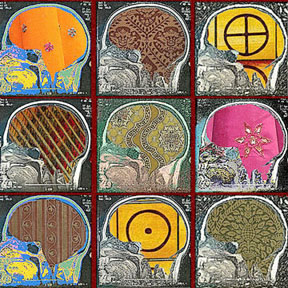
healing-art-brain“Many hospitals across the United States offer some form of arts programming,” says Dr. Johanna Rian, director of the Center for Humanities, “but Mayo Clinic has been offering the arts as part of the healing process since the early ‘80s.”

Enhancing indoor quality of life: The Well Living Lab

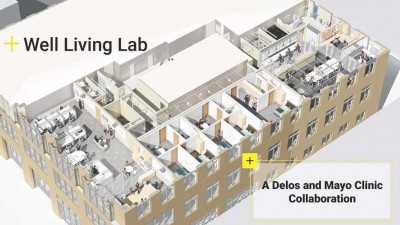
logo-tmOn average, Americans spend more than 90 percent of their time indoors. From living and working to shopping and working out, exposure to indoor environments is at an all-time high. The Well Living Lab, a collaboration between the Mayo Clinic and Delos, is exploring how our health and wellbeing is affected by all of the time we are spending inside.

Well-Living-Lab-image-1024x5761-1024x576
Rendering: Well Living Lab

The purpose of the Well Living Lab is to study these indoor environments and create healthier indoor spaces in which to live, work, and play. Focused exclusively on human-centered research, the lab is the first of its kind. By maintaining an unprecedented degree of control over the research variables it is testing, the researchers are able to manipulate and test almost any type of indoor environment.

MPR News: City of Rochester buys historic theater with help from Mayo

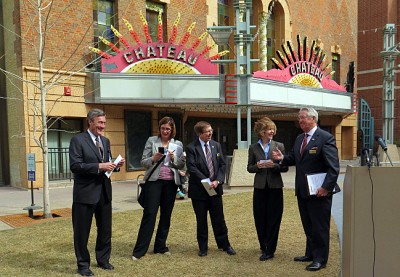
20150316_chateau-theater_33The city of Rochester has closed on the $6 million purchase of the historic Chateau Theatre.

The theater purchase is considered a Destination Medical Center project, which allows the expense to count toward the city’s $128 million contribution for public infrastructure costs. The Mayo Clinic paid $500,000 of the deal.

Rochester City Council President Randy Staver said it’s still unclear what the building’s long-term use and financial model will be.

In Rochester, every police car carries a defibrillator

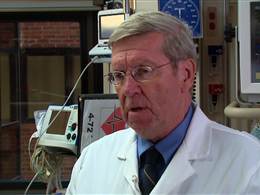
Roger White, M.D.
Roger White, M.D.

Roger White, M.D., a Mayo Clinic expert in out-of-hospital cardiac arrest intervention, tells NBC Nightly News (Oct. 22, 2013) about the pioneering program that put defibrillators in every police car in Rochester, Minn. The program is saving lives because first responders no longer have to wait for the paramedics to begin life-saving care. “Whoever gets there fast enough is the one who saves the patient,” says Dr. White.

Flowers of life

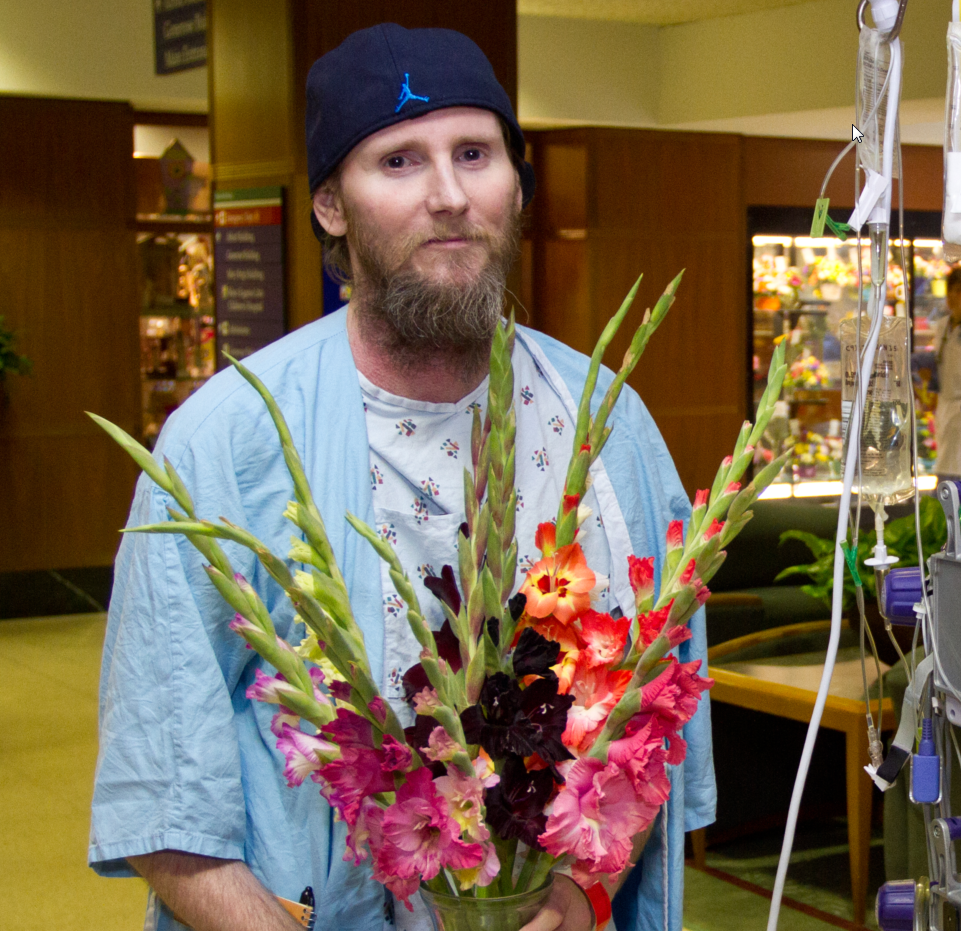
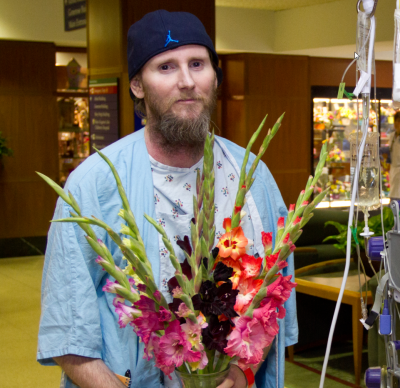
Flowers of lifeSometimes, simple gestures can have a big impact on those who need it most. And for the past six years, John and Barb Meyer, of Potsdam, Minn., have been having just that kind of impact on the lives of patients at hospitals and nursing homes in Rochester by cutting bouquets of flowers from their gladiola field for patients in need of a little pick-me-up.

The Meyers say that what originally started out as a hobby after they received some gladiola bulbs as a gift from their son has now (ahem) blossomed into a full-on passion. “This has been our sixth year doing this, and we have developed more than 1,000 varieties of gladiolas,” the couple says. “It’s become a labor of love … When we see people smile with appreciation, the planting, cutting and delivering is all worth it.”

One of those smiles of appreciation can be found on the face of James Mitchell, who’s spent 20th months at Saint Marys Hospital battling his way back to health after from a severe gastrointestinal condition that’s almost cost him his life. He says he was flown to Rochester “on the verge of death” by air ambulance almost two years ago and has now celebrated two birthdays with his care team at Saint Marys, though he says “that was never the plan.”

As his long and sometimes rocky medical journey continues, Mitchell says the Meyers’ weekly gladiola deliveries to Saint Marys have been a most welcome distraction and represent just one more way that Mayo Clinic takes care of the “entire” patient. “For me, the gladiolas symbolize that there is life outside the hospital and help remind me of the seasons,” he says. “I carry that with me — that this season in my life will also pass, and I will get to go home.”

Mitchell says that whether they realize it or not, the Meyers are a part of his care team, along with the many doctors, nurses, therapists, housekeepers and other Mayo staff who frequent his hospital room. “I think of the Meyers planting, growing, cutting and delivering those flowers to hundreds of people like me — they’re part of the integrated care that is Mayo Clinic,” he says. “They will never know how truly grateful I am.”

Nor can he, Mitchell says, fully communicate how grateful he is for his direct care team at Saint Marys, who have become like a second family to him. “They have been my blessing,” he says. “I see the care in their eyes. I have had the best medical team available, and I am thankful. I am forever grateful to Mayo Clinic.”

When superheroes drop in

superheroesFor more than 30 years, Roger Corcoran has been cleaning the grime off the windows at Mayo Clinic. But, on Sept. 25, Corcoran and two of his fellow window washers, John Carroll and Kyle Smith, went from being everyday grime fighters to superhero crime fighters.

The crew from Child Life Services gathered pediatric patients together in the third floor atrium of the Mayo Eugenio Litta Children’s Hospital in the Mayo Clinic Children’s Center to have a superhero celebration. Dressed as superheroes themselves and standing in front of the atrium windows, they had some fun with the kids, until, outside, Batman dropped into view. A collective gasp of surprise came from the kids, their parents and their caregivers when the first superhero dropped in. About a minute later, the Incredible Hulk dropped in, and then, finally, Spiderman made his entrance to even more cheering.

The three superheroes played a short game of tag on the windows and then dropped out of view. A few minutes later, they arrived inside the atrium to meet with the patients and the crowd that had gathered.

When not creating oohs and ahs as superheroes, Corcoran (Batman), Carroll (Spiderman) and Smith (Hulk) are employed by ISS Facility Services, a longtime Mayo Clinic contractor. Charles Kleber, managing director, explains how Mayo asked them to consider doing a superhero drop in. “We had never done anything like this before, but, once they mentioned it, we wanted to make it happen,” says  Kleber. “Roger, John and Kyle volunteered to don the costumes.”

After serving cake and punch to the group in the atrium, the superheroes visited patients in the children’s hospital who weren’t able to make it to gathering. Earlier in the day, the three superheroes also made a stop to see the pediatric patients in the transplant ICU. When one of the little patients saw the superheroes, he made a beeline for Spiderman and wrapped his arms around his legs. “The look on the little guy’s face was why we did it,” Kleber shares. “We did this for the kids.”

This story was originally published by Mayo Clinic in their internal News Center.

What are ways like this that DMC and Mayo Clinic can transform experiences for patients? Share your thoughts in the comments section below.